


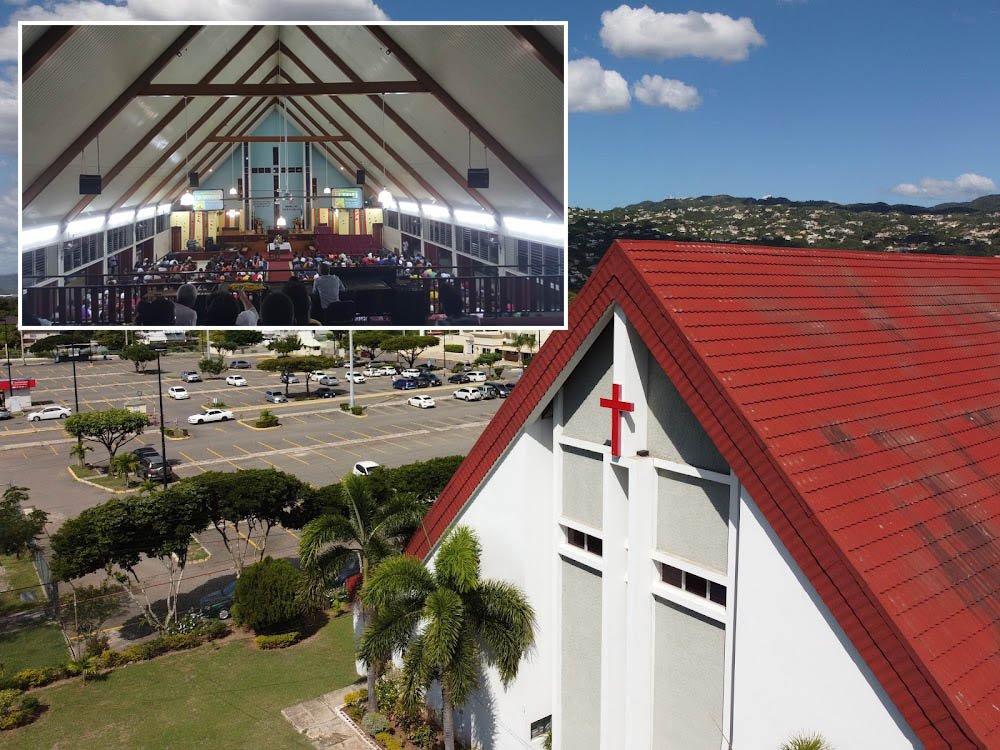
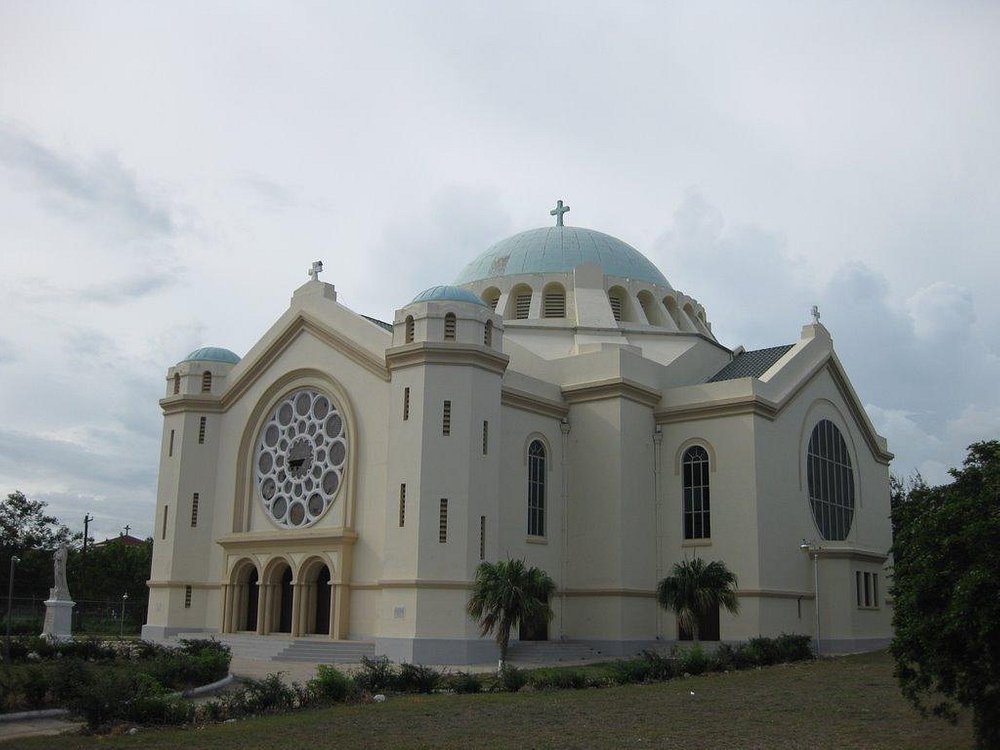
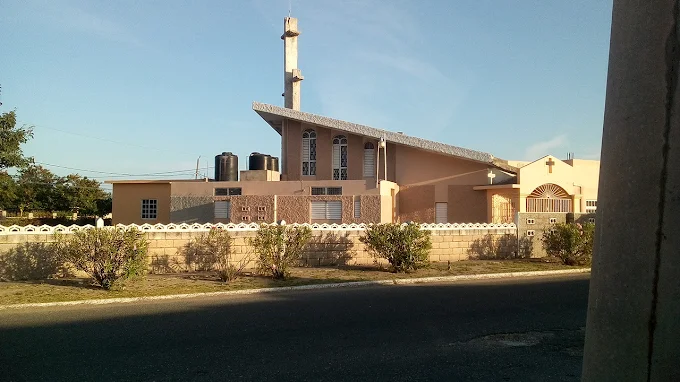
Jamaica’s fame, noised abroad beyond the shores of the Caribbean Sea, usually begins with reggae riffs, fast runners, lush Blue Mountains, and turquoise coves. Yet a quieter record that far exceeds the Guinness Book of Records: more than 3,000 churches dot just 4,244 sq miles — the world’s highest density of church buildings. You can barely drive five minutes without finding a colorful sanctuary along the horizon, and on Sunday and Sabbath mornings, the island hums with hymns, worship, and praise in all of the island nation’s 14 parishes (states).
The early colonists planted Anglicanism, the Church of England, as the crown’s official faith in the 17th century. Its Georgian-stone cathedrals still preside over Kingston, Spanish Town, and Montego Bay, testaments to Britain’s lingering architectural imprint. Roman Catholicism followed Spanish priests, survived British rule, and today counts roughly 2% of Jamaicans among its flock. Both traditions helped introduce Western-style schools and hospitals long before emancipation, and their bell towers still toll for national occasions.
George Liele, Freedom’s First Baptist
If the Anglicans built steeples in limestone, the Baptists built in hope. In 1783, Rev. George Liele – an emancipated slave from Georgia (USA) – landed in Kingston and began preaching in open markets. Liele was the first Black cleric licensed to preach in the Baptist Church in America, and he would later establish churches in the US, including helping to pioneer Abyssinian Baptist Church in Harlem, New York.
He and his family moved to Kingston, Jamaica, where he established the first Baptist Church. Because of the focus on freedom and the empowerment of the Africans, he attracted the likes of Sam Sharp. By his death in 1838, he and fellow American Moses Baker had organized thousands of enslaved Africans into small chapel communities that doubled as night schools for literacy. Their gospel wore the accent of liberation, insisting every soul – slave or master – was equal before God.
Christmas Fire: The Baptist War
The message of liberation ignited in December 1831 when Deacon Sam Sharp, a literate Baptist and itinerant preacher, called 60,000 plantation workers to a peaceful strike. The plan erupted into what colonial papers labeled “The Baptist War.” It lasted eleven ferocious days, cost 500 lives, and failed militarily – yet it rattled Westminster so deeply that Britain abolished slavery two years later. Sharp was hanged, but his Bible remains on display in Montego Bay, pages singed at Luke 4:18, “He has sent me to proclaim freedom for the prisoners.”
A Pentecostal Wave
When the U.S. holiness and charismatic revival movement rose from Azusa Street in America, it splashed across the Caribbean in the early 20th century, and Jamaica proved fertile ground.
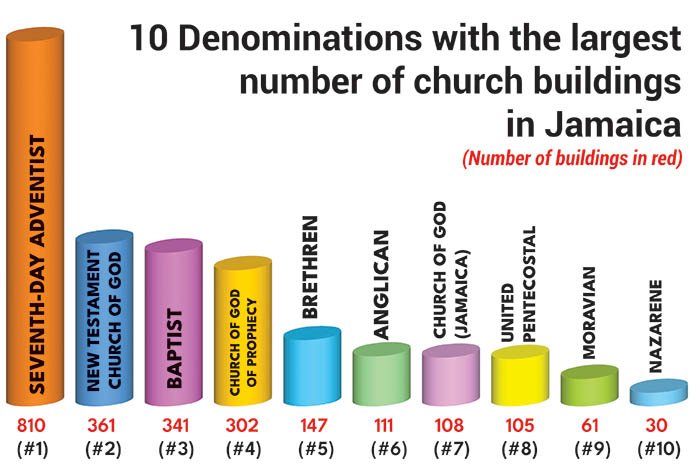
The New Testament Church of God (NTCoG) opened its first sanctuary in Clarendon in 1925; it now lists 361 congregations. The Church of God of Prophecy followed in 1929 and now exceeds 290 churches island-wide, and by mid-century, Jamaica welcomed the arrival of the United Pentecostal Church. And they came praising in “Jesus Name,” adding their exuberant drum-driven worship and revival fervor to the mix.
Pentecostalism’s lively music, healing services and egalitarian leadership styles especially attracted the urban and rural citizens. Today roughly one in ten Jamaicans is Pentecostal.
The SDA Movement and Rapid Growth
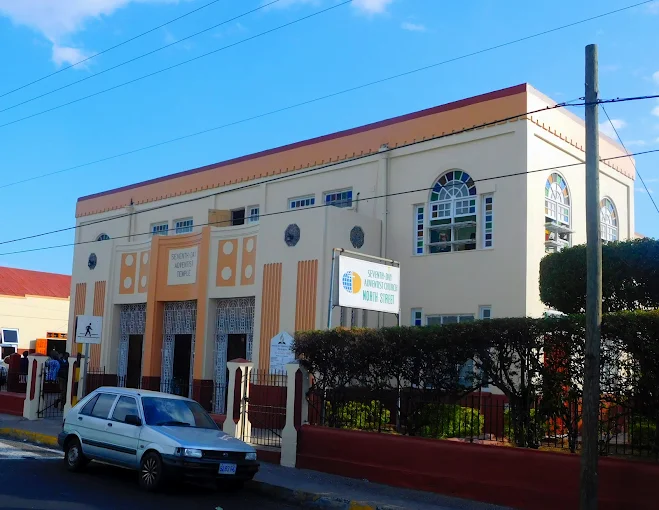
The fastest-growing denomination, however, meets on Saturdays. The Seventh-day Adventist Church started tent meetings in 1898 and has since grown to 707 organized churches, 105 companies, and 343,907 members – about 12 % of the population. Today, Adventists operate the island’s largest private hospital in Mandeville and Kingston, four high schools, a university, and dozens of primary schools, illustrating how faith fuels Jamaica’s social services. In today’s Jamaica, both the Prime Minister and the Governor General consider themselves Seventh-day Adventists.
Mission schools pioneered by Anglicans, Baptists, and Adventists educated prime ministers from Alexander Bustamante to P. J. Patterson. Church-run clinics introduced rural immunization drives. Even today, when a hurricane siren blares, the nearest shelter is often the local sanctuary.
Hurricane Melissa’s Bitter Psalm
Nature tested that network on October 28, 2025 when Hurricane Melissa roared ashore as a record Category 5 storm. Winds shredded tin roofs, rivers reclaimed roads, and nearly 279,000 people – 90,000 households – remain displaced months later. At least seven Nazarene churches completely collapsed and scores of chapels across every denomination lost steeples or walls. Many congregations now meet beneath tarpaulins, their pews warped by salt water, yet jubilant singing persists, echoing through blown-out windows. (See our fuller report: Hurricane Melissa’s Impact on Jamaica.)
Rebuilding the Steeples, Rebuilding Lives
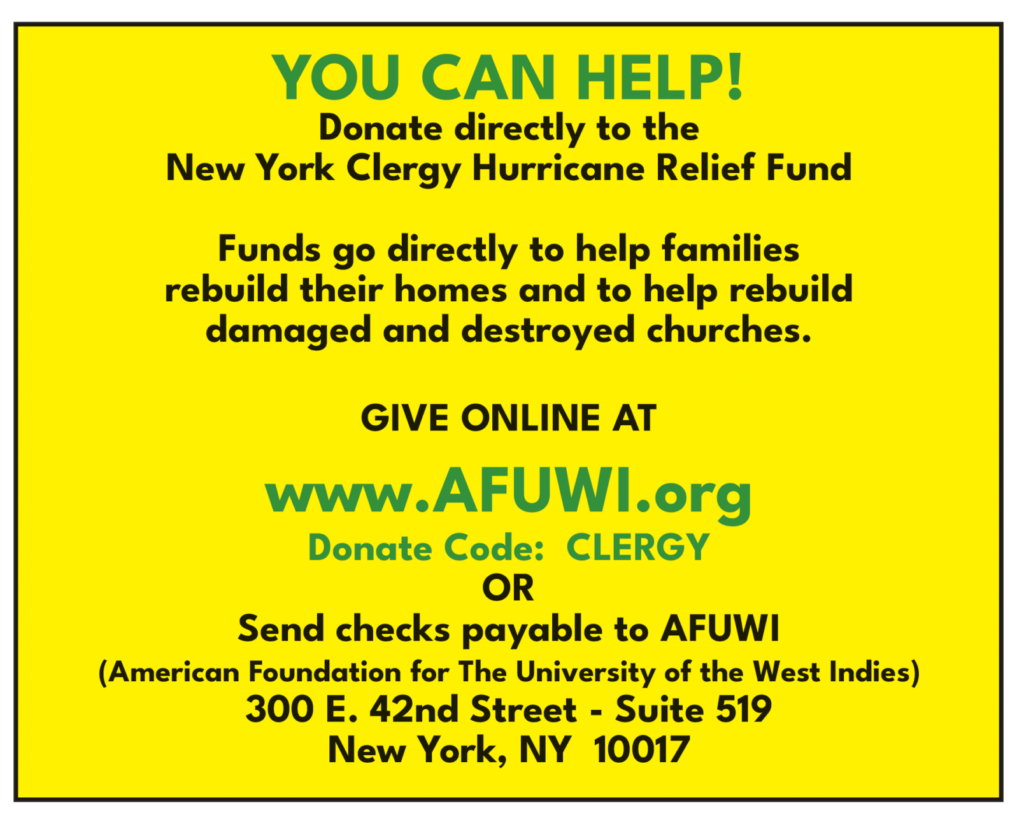
In a land where coral-stone sanctuaries double as classrooms, clinics, and hurricane shelters, reconstructing churches is more than piety – it is public policy. Each rebuilt roof becomes a classroom ceiling, a soup kitchen canopy, a hurricane refuge. International donors are channeling funds through denomination headquarters, local carpenters are salvaging lumber, and teenagers wield paintbrushes beside grandmothers patching hymnals.
As Rev. Colin Gyles of Manchester puts it, “When we raise a steeple, we raise a village.” Helping Jamaica’s churches to stand again means giving families a place to worship, to learn, to heal – and ultimately, to start over. From Liele’s first thatch-roofed chapel to the modern Adventist megachurch, the island’s story is written in sanctuary walls. After Melissa’s fury, the next chapter depends on how quickly – and how lovingly – those walls rise again.