


It takes a village to secure a community and its residents. Often times many of the leaders and institutions who play a significant role in sustaining the endurance and aspirations of communities like Harlem seldom receive the acknowledgement or accolades they rightfully deserve. As we celebrate Harlem and its residents in the midst of this horrific COVID-19 worldwide pandemic, we salute a few of the many who continue to maintain their presence while casting a wider net during these most difficult times.
See also: Leaders Rise Amid COVID and Harlem Children’s Zone Raises $26 Million Towards COVID-19 Relief Efforts.
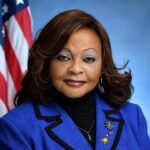
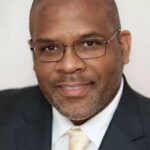
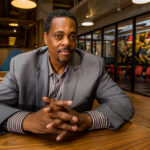
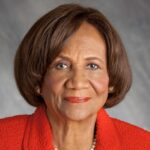

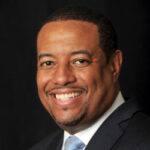

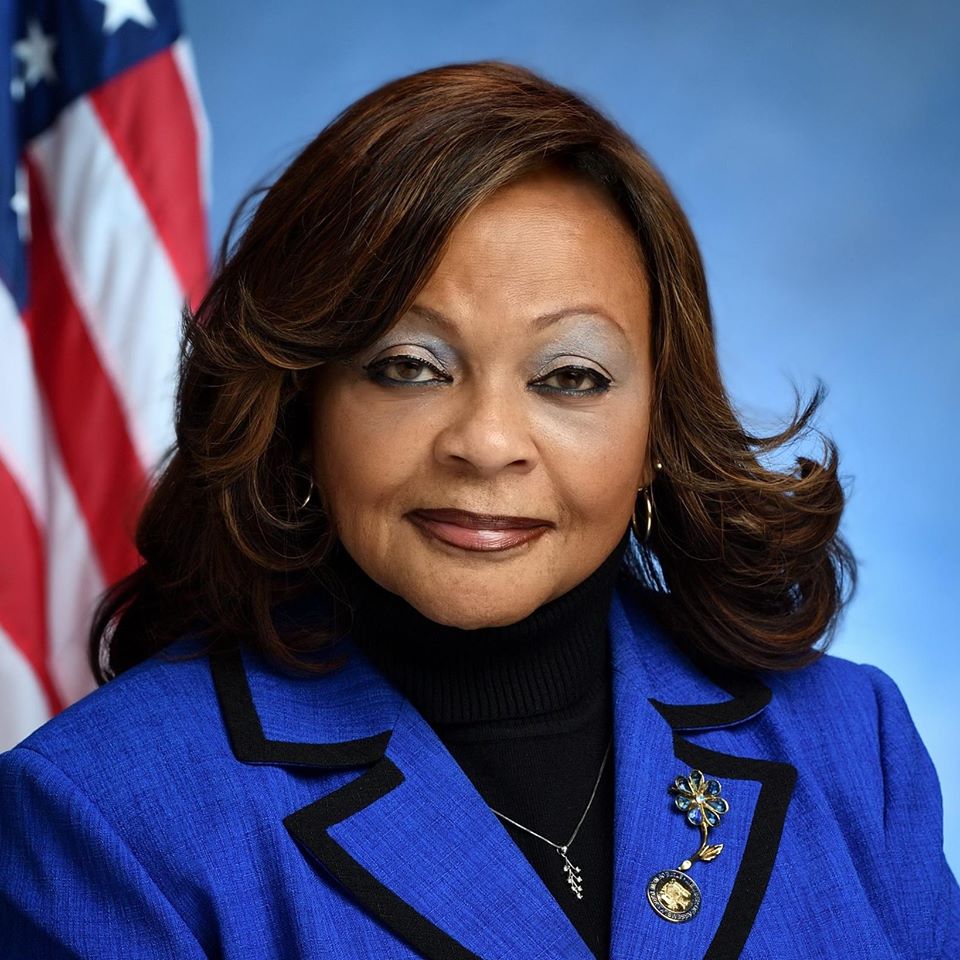
HON. INEZ DICKENS
Improving Quality of Life
Harlem native ASSEMBLYWOMAN INEZ E. DICKENS has dedicated over 30 years to improving the quality of life for the residents of her community. From 2006 to 2016 she was a member of the New York City Council, and in 2017 she was elected to represent the 70th District of the New York State Assembly. Her inspiration started with her late father, New York State Assemblyman and Harlem businessman Lloyd E. Dickens, and her uncle, State Supreme Justice Thomas K. Dickens.
Unfortunately, once the COVID-19 pandemic raged through New York City, making The Big Apple the virus’s US epicenter, the assemblywoman had to immediately close her offices and didn’t reopen until Phase 2 of the City’s reopening plan. During this time, thousands of people in her district were out of work and needed unemployment benefits.
“We were getting over 700 calls per day, mostly regarding unemployment checks,” said Dickens. “Although we were working remotely, we became advocates for our constituents, trying to help them with their unemployment benefits. We have contacted the unemployment office and have in some cases successfully advocated on their behalf, but getting the check and even responses regarding questions is a very slow process, but we are moving forward.”
The assemblywoman’s most recent undertaking is the Urban League Empowerment Center project on 125th Street, which will include 170 affordable housing units plus offices for the likes of Jazzmobile and 100 Black Men. “The National Urban League will be moving up to Harlem,” said the assemblywoman. “I am very happy about that move and the entire project.”

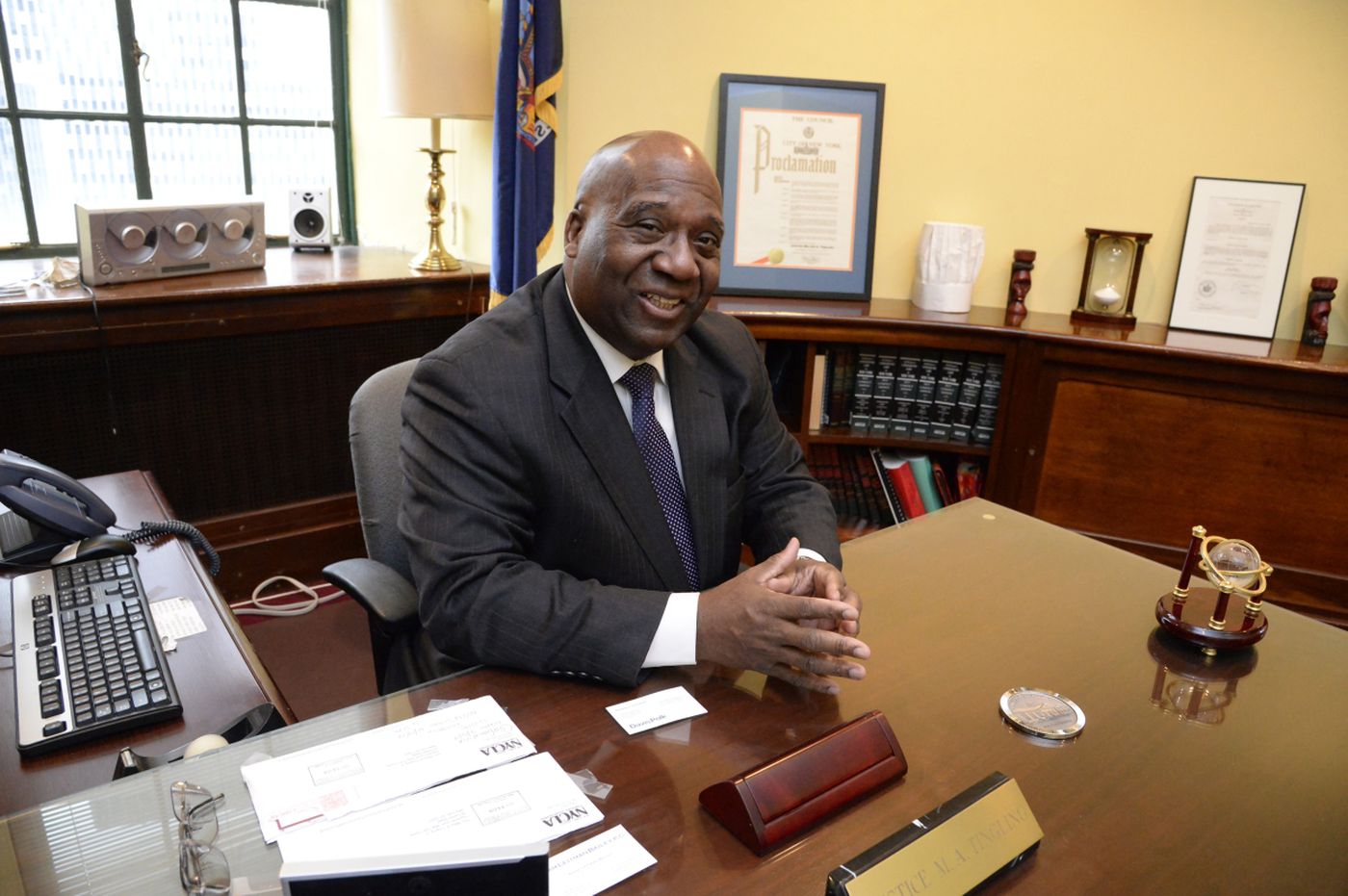
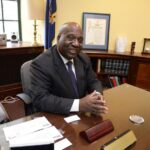
JUDGE MILTON TINGLING
New York County’s First Black County Clerk
If you examine JUDGE MILTON A. TINGLING JR.’s history, you will find his family boasts three generations of judges – his father, Milton A. Tingling, Sr., himself, and his daughter Aija Tingling, the first time this has happened for a Black family in American history.
Judge Tingling is used to being a first. He is the first Black County Clerk for New York County. He was appointed to the position in February, replacing Norman Goodman, who served in the position for 45 years. “God opened this door for me to make a difference,” said judge Tingling.
The County Clerk’s office is in charge of marriage licenses, notaries public, passports and jury service among other services. In the area of jury service, Judge Tingling has taken a most active role. ”So many people of color – regardless of age – feel jury duty is a waste of time because the justice system is racist,” he explained. “But if you believe Black lives matter, how can you not be a part of jury duty? We can’t allow racism to reside because you refuse to serve.”
The need to participate on jury duty becomes even more important when we look at the police murders of Eric Garner and George Floyd. “We have to execute our own power when people are trying to make us powerless,” noted Judge Tingling. “Criminal justice, voting legislation, and the census are all tied to the economy, living conditions and health.”

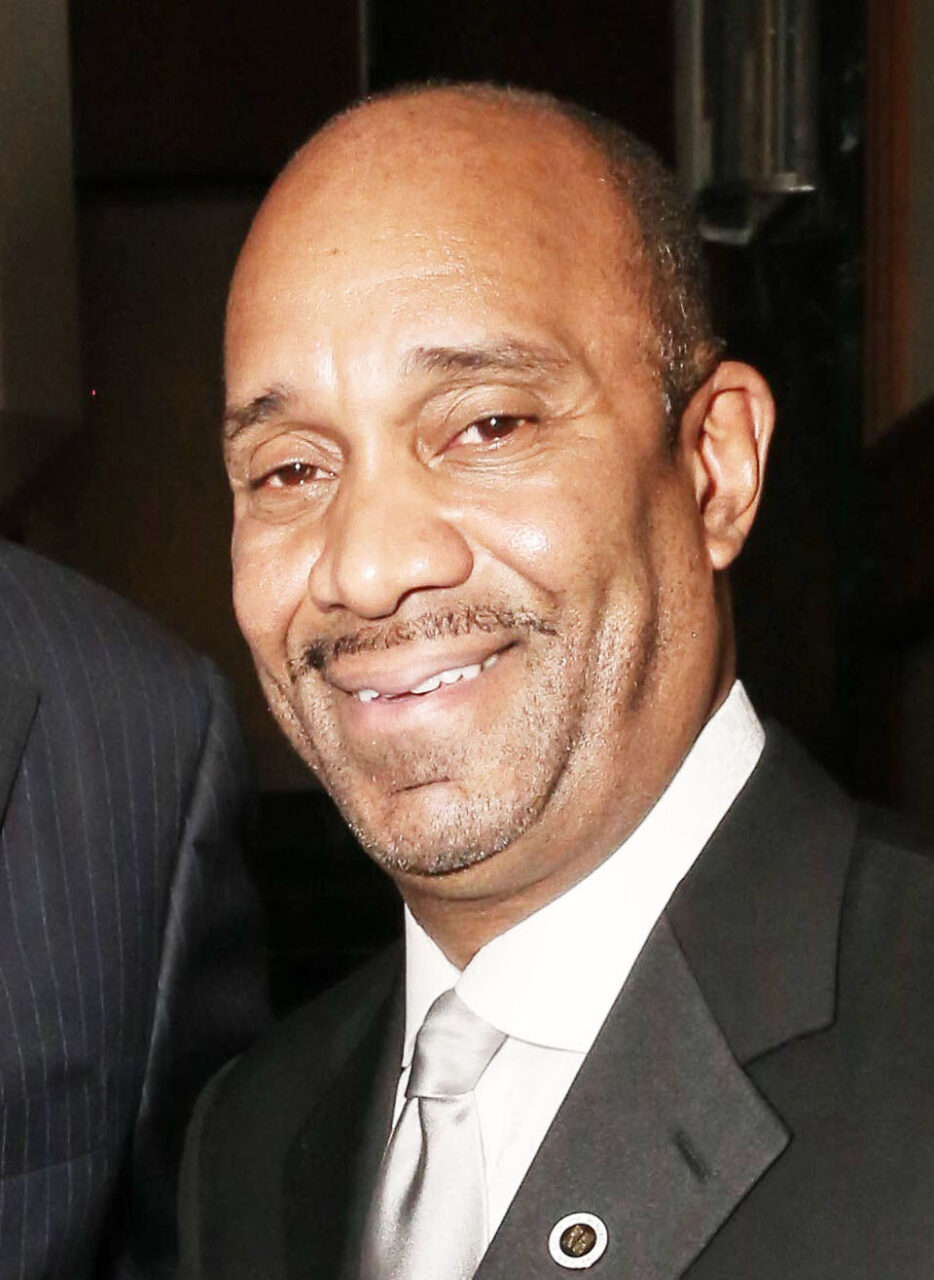
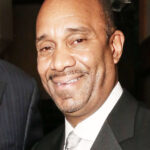
MICHAEL J. GARNER
A Leading Force for Good
MICHAEL J. GARNER, a native of Harlem, is the MTA’s Chief Diversity Officer and is also the Chairman of the Corporate Board of 100 Black Men. As the coronavirus first ravaged through New York City, it was apparent that an abundance of services would be needed. After examining the services and issues in the Harlem community, 100 Black Men decided their best fit was to assist in distributing food. They purchased and donated 16,000 meals to first responders and churches throughout New York City.
“We felt his was a good way to help keep restaurants open and contribute to their cash flow while providing meals to doctors and nurses in 12 hospitals,” said Garner. “In times of crisis, leaders lead and we are leading on all three stages (health, economics and civil rights) as a driving force for the Black community.”
Prior to his current position with the not-for-profit organization, Garner was the longest reigning president of 100 Black Men, having served for six years. “It was my attending the Million Man March that prompted me to join the organization, but I never thought of being president,” stated Garner. “It seems I was always involved in civil rights growing up in Chicago. I was exposed to Rev. Jesse Jackson there and while attending SUNY Buffalo, I became involved in local politics.”
Garner is the cousin of Eric Garner, whose brutal murder by police officers in 2014 ignited a civil rights explosion around the world. “I’ve been working as a family representative to get justice for my family,” explained Garner. “It took over five years to get the police officer fired – just last year, in 2019. And we continue to fight for our rights on all fronts.”

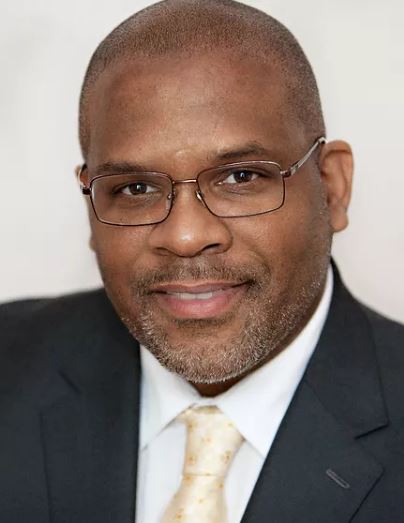
DR. MALCOLM PUNTER
Meeting the Needs of Community
DR. MALCOLM PUNTER is the President and CEO of Harlem Congregations for Community Improvement, Inc. (HCCI). The organization was formed in 1986 when Harlem was in dire need of revitalization due to systematic depopulation, disinvestment, crime, and abandoned buildings. A group of ministers came together to form HCCI in an effort to make a change in the Harlem community. Today, Dr. Punter provides day-to-day oversight for all aspects of HCCI and manages the financial and operational budget of over $ 550 million in real estate assets.
“Housing is a fundamental need for human existence,” stated Dr. Punter. “When the coronavirus started in February, we already had an overall plan in place for such an emergency. For our HCCI buildings, we have a reserve fund set aside for residents who are not able to pay rent due to job loss and other factors. During this ongoing pandemic, there are a multitude of problems that are arising for our residents that will necessitate social services … We are an outgrowth of the civil rights movement. By the nature of our proximity we service more people of color and we are committed to their housing and social service needs.”

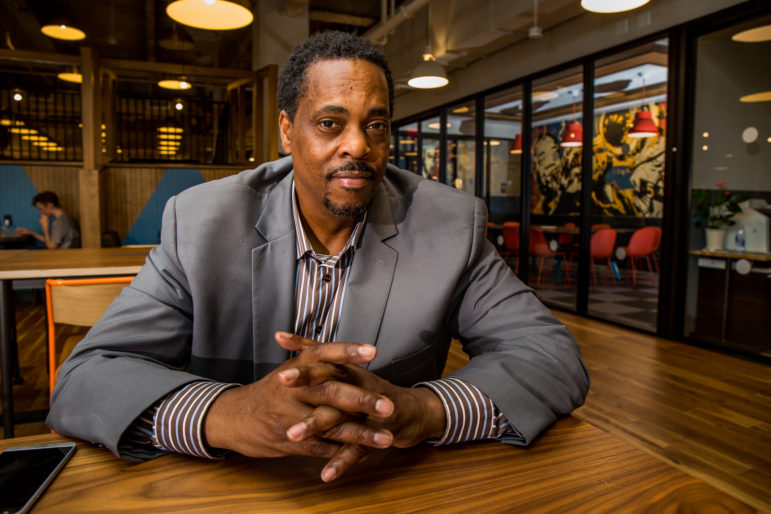
CLAYTON BANKS
Demystifying Technology
CLAYTON BANKS, President and CEO of Silicon Harlem, jokingly refers to himself as “a geek,” but he’s much too cool for that – so we will go with “techie”. The mission of his organization is to simply demystify technology for people of color and transform Harlem and other urban markets into Innovative Technology Hubs.
“Since the very beginning, in 2013, Assemblywoman Inez Dickens and Congressman Charles Rangel were a great help – and they still support us,” shared Banks. Not only did the coronavirus shut down the schools, but it also brought an end to the City’s summer youth programs. In the midst of this horrific virus, Silicon Harlem decided to continue its summer youth employment program, and once the word spread, the organization was overextended with 90 students as opposed to its usual 40-50 students.
“We are always happy to have more students than less. Helping young minds is always fun,” says Banks. In an effort to assist young students who lacked access to computers or the means to purchase one during the pandemic, Silicon Harlem purchased and donated over 150 chrome books for students and provided hotspots in the community. The hotspots were great for young people in the community, as well as their parents, who had computers but no Wi-Fi service. In a partnership with the City, they will begin paying the fee for hotspot service in October.
“The tech sector is thriving. Exposure and access are key,” said Banks. “Teaching young people applications, how to code and work in teams is another component to Black Lives Matter, which is staying aware and being ahead of the curve.”

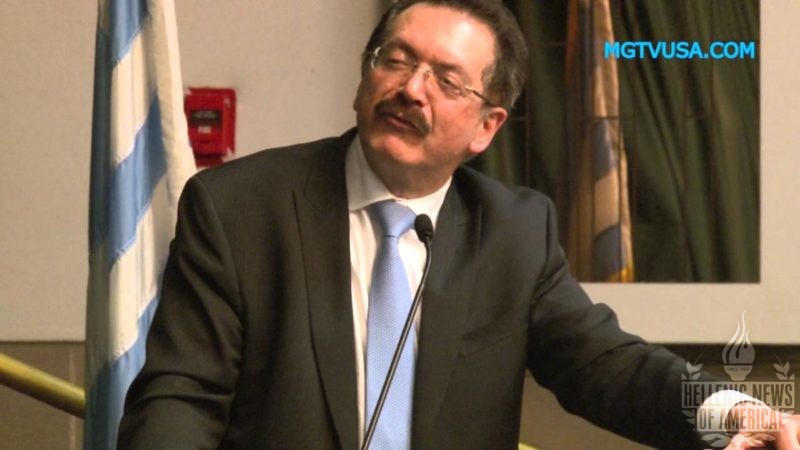
LOUIS KATSOS
A Commitment to Harlem
LOUIS KATSOS is the President of Jekmar Associates and President of the New York Chapter of AHI (American Hellenic Institute). Born in Greece, his love affair and commitment to Harlem started some 35 years ago when he met Lloyd Williams, president and CEO of The Greater Harlem Chamber of Commerce, while Katsos was serving as the executive vice president of Tishman Construction. That meeting led to both men working and consulting on the 135th Street Strivers Row Project.
Years later Katsos is now a board member of The Greater Harlem Chamber. During the early days of the pandemic when Governor Cuomo was asking for help from the President and other federal sources, it was Katsos’s company that donated ventilators to hospitals in New York City and upstate New York. His company also donated food to community organizations throughout New York City. “I feel honored to help a city that has given me so much,” he explained.

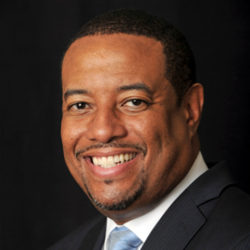
REV. DR. MARVIN MOSS
Powered by Faith and Service
A native of North Carolina, REV. DR. MARVIN MOSS, came to Harlem in 2014 to sere as the pastor of Salem United Methodist Church. After pastoring a megachurch in Atlanta, Georgia, Moss arrived at Salem as the church was on the verge of closing down due to declining membership, aging membership and declining financial resources. Since Rev. Moss has arrived, Salem has seen an upswing in attendance.
“Making the word relevant and our social media presence is making a difference, as well as our after school partnership with the Harlem Children’s Zone,” Rev. Moss explained.
Before the onset of the pandemic, Salem Church’s food ministry every Friday was a blessing to many in the community. They now serve food to over 300 people each Friday, and have expanded to serving lunch on Wednesdays. They have also added “Grab and Go Meals” from Tuesdays thru Saturdays in partnership with The Greater Harlem Chamber of Commerce. “We were also involved in a food distribution event with 100 Black Men and Rethink Foods, NYC that went very well,” said Rev. Moss. “Anything that helps the community is a blessing. We 100% support the movement, but we must demonstrate that Black Lives Matter to us by helping each other and not violating our seniors or killing each other,” explained Rev. Moss.

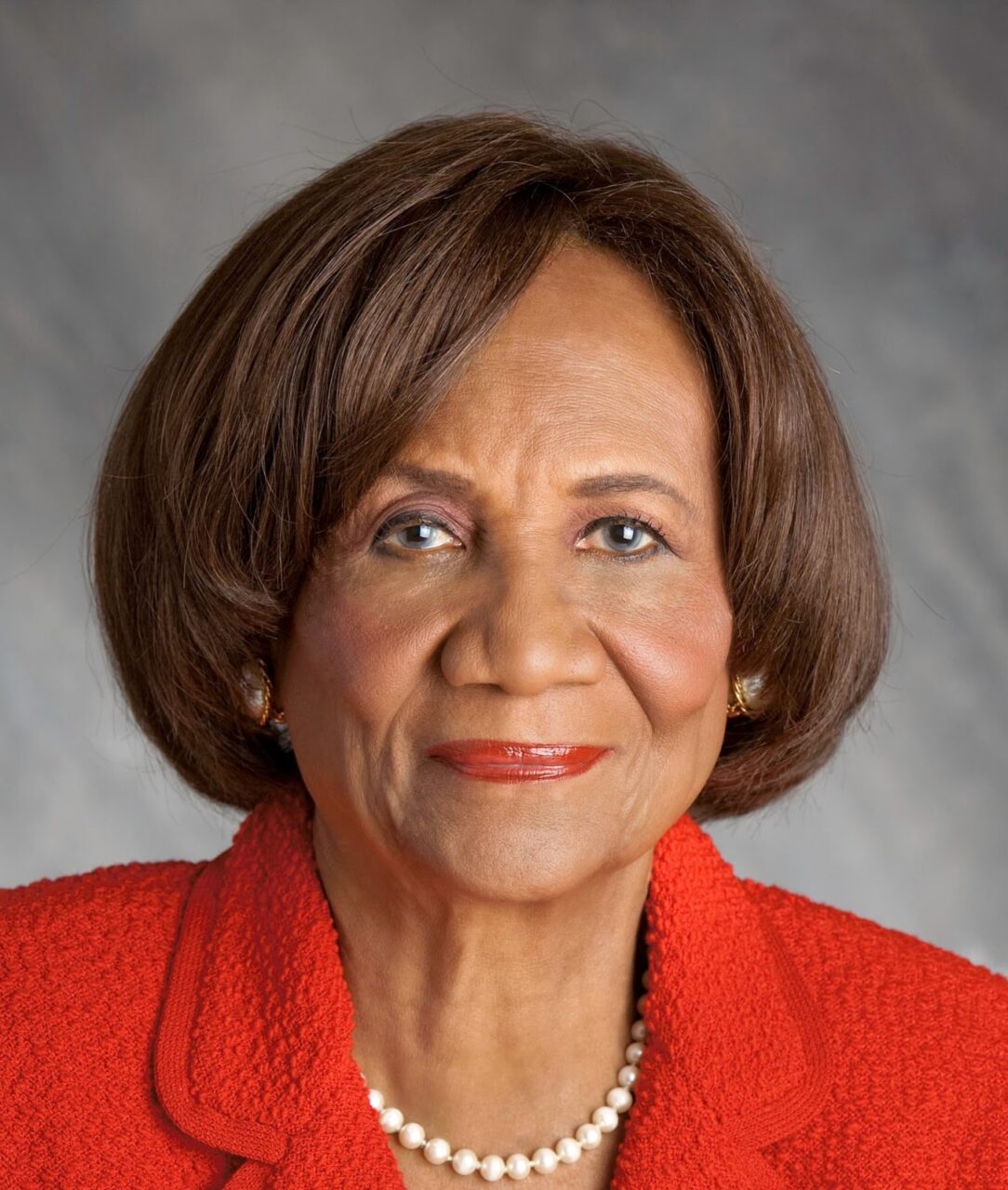
HAZEL DUKES
Continuing the Fight for Civil Rights
Interviewing the female pioneering activist HAZEL DUKES, whose activities have helped to pave the way for Kamala Harris’s Vice Presidential nomination, is not a job but a real treat. She has worked with such civil rights pioneers as Congressman John Lewis when he came to New York at the request of Congressman Charles Rangel; Julian Bond, Dr. Benjamin Hooks, Rev. Wyatt T. Walker, Myrlie Evers-Williams (wife of Medgar Evers), and Rev. Al Sharpton. Aside from her active participation in the civil rights movement, which included her being arrested, she is President of the NAACP New York State Conference.
Two of Duke’s mentors were former New York State Secretary of State Basil Paterson and former Manhattan Borough President and businessman Percy Sutton. “I have seen progress made at the local level with men and women of color on the City Council educating our community on issues that set the framework for establishing policy for education, health and the police department,” said Dukes. ““The outcries of defund the police and other messages have forced corporations to want to give out money, but that doesn’t address the problem of systemic racism,” Dukes adamantly stated. “Black Lives Matter is needed like the NAACP, the Urban League and other organizations that have been our foundation, and the message must be consistent. I have been in the civil rights movement for 44 years and I am still fighting.”