



By Ekene Dike
When South African legend Siphiwe Tshabalala scored against Mexico in the opening match of the 2010 FIFA World Cup, the celebrations stretched far beyond Johannesburg. Across the continent, fans embraced the moment as if it belonged to them.
Sixteen years later, that sense of connection remains one of the defining features of the World Cup’s relationship with Africa. The tournament is not simply a football competition. For many supporters, it is also a cultural event shaped by community, identity and shared aspirations.
As the 2026 FIFA World Cup gets underway across the United States, Canada and Mexico, those themes remain visible. Yet this year’s tournament has also generated conversations that extend beyond football.
One of the biggest talking points before the competition began was access.
For many African supporters hoping to attend matches, strict visa requirements, travel costs, and immigration procedures became major obstacles. The issue attracted wider attention when Somali referee Omar Abdulkadir Artan was denied entry into the United States despite being selected to officiate at the tournament.
Furthermore, the incident raised uncomfortable questions about participation and representation. The World Cup presents itself as a global celebration, yet access to that celebration is not always equal. At the same time, football continues to create moments that transcend national borders.
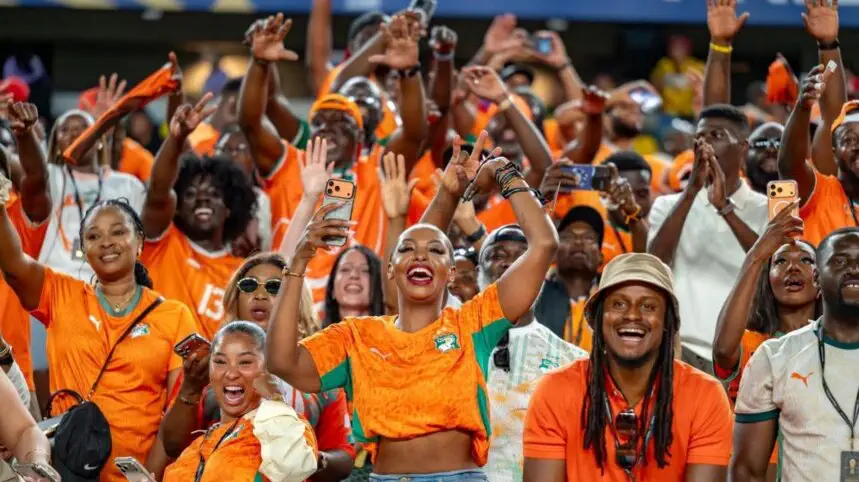
When Morocco became the first African nation to reach a World Cup semifinal in 2022, support for the Atlas Lions spread across the continent. Fans from countries with no direct connection to Morocco embraced the team’s success as a victory for African football itself.
That sense of collective pride remains one of the most distinctive aspects of the World Cup experience for many African supporters.
More Than a Game: The Communal Spirit of African Football
Across social media, Cape Verde’s draw against Spain in their opening fixture as World Cup debutants at the ongoing 2026 edition generated reactions far beyond the island nation itself, with many supporters celebrating the result as another reminder that African teams can compete with football’s heavyweights.
Similarly, Ivory Coast’s victory over Ecuador sparked celebrations that extended beyond Ivorian supporters, reflecting a recurring pattern throughout the tournament. When African teams produce memorable moments on the world’s biggest stage, fans across the continent often share in the excitement.
Across much of Africa, homes, bars, campuses and public viewing centers become spaces where football is experienced collectively rather than individually. “When young Africans see players like Victor Osimhen and other footballers succeed at the highest level, it becomes a source of inspiration,” shared Martins, a Lagos based football supporter. “It shows people that no matter where they come from, they can achieve something great.”
His perspective reflects why the World Cup continues to resonate so deeply across the continent. For many supporters, players are not only athletes. They are symbols of opportunity and proof that global success can emerge from local beginnings.
That is perhaps why conversations around access, xenophobia and representation matter so much. The World Cup is one of the few events that brings together people from vastly different backgrounds under a common passion. When barriers emerge, they become part of the story as well.
Ultimately, the World Cup’s importance in Africa cannot be measured solely by goals scored or trophies won. Its impact is also found in the communities it creates, the debates it sparks, and the hopes it inspires.
The majority of the African fanbase takes the World Cup tournament as a reflection of both the opportunities and challenges that shape the continent’s place in the global game. Reprinted from okayAfrica.com